
Practical Impact of New Criminal Laws
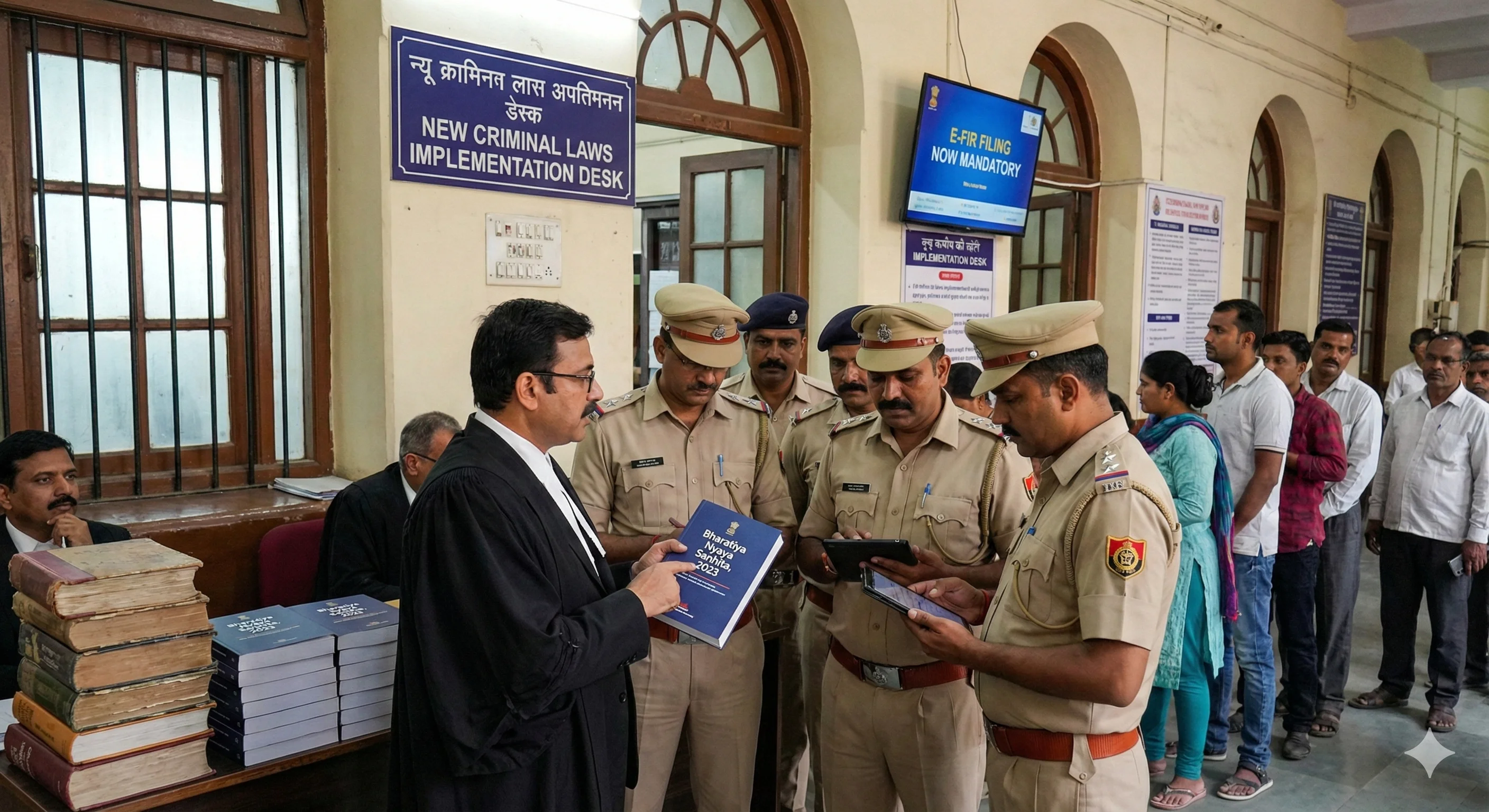
The introduction of new criminal laws has brought significant changes to the manner in which offences are investigated, prosecuted, and tried in India. These reforms are not merely legislative updates but have direct practical consequences for accused persons, victims, and law enforcement agencies.
Understanding the practical impact of these laws is essential, as procedural missteps or outdated legal assumptions can seriously affect the outcome of criminal cases.
Read This : Bharatiya Nyaya Sanhita (BNS)
New criminal laws have redefined offences, altered punishment structures, and introduced procedural timelines aimed at expediting justice. This directly affects how FIRs are registered, investigations are conducted, and trials proceed.
From the perspective of the accused, these changes influence arrest practices, bail strategy, and defence preparation from the very first stage of the case.
- Changes in Arrest and Detention Procedures.
- Revised Punishment and Sentencing Framework.
- Impact on Investigation Timelines.
For investigating agencies, the new laws impose stricter compliance requirements, enhanced documentation, and greater judicial scrutiny.
Criminal law reforms reshape not just statutes, but daily courtroom practice.
- Higher Accountability of Police.
- Greater Emphasis on Procedural Fairness.
- Reduced Scope for Arbitrary Action.
Read This : Important Rulings on Bail, Arrest, and Custodial Violence
- Changes Bail Strategy in ongoing cases.
- Affects Pending Investigations.
- Requires Updated Legal Advice.
Why practical understanding matters
Many criminal cases fail or succeed not on facts alone, but on correct application of procedural law. The transition to new criminal laws makes this understanding even more critical.
Lack of awareness of these changes can lead to unlawful arrests, invalid charges, or procedural delays.
For litigants and legal practitioners, adapting to the practical impact of new criminal laws is essential to ensure effective representation and protection of legal rights.
.webp "rawpixel-1135753-unsplash")